 ShangMeals
High blood pressure is one of the most common health concerns in modern life. While medication plays an important role, everyday food choices can be a gentle and sustainable support system. Three vegetables in particular—beets, celery, and arugula—have earned attention for their blood-pressure-friendly properties.
Beets: the deep red root
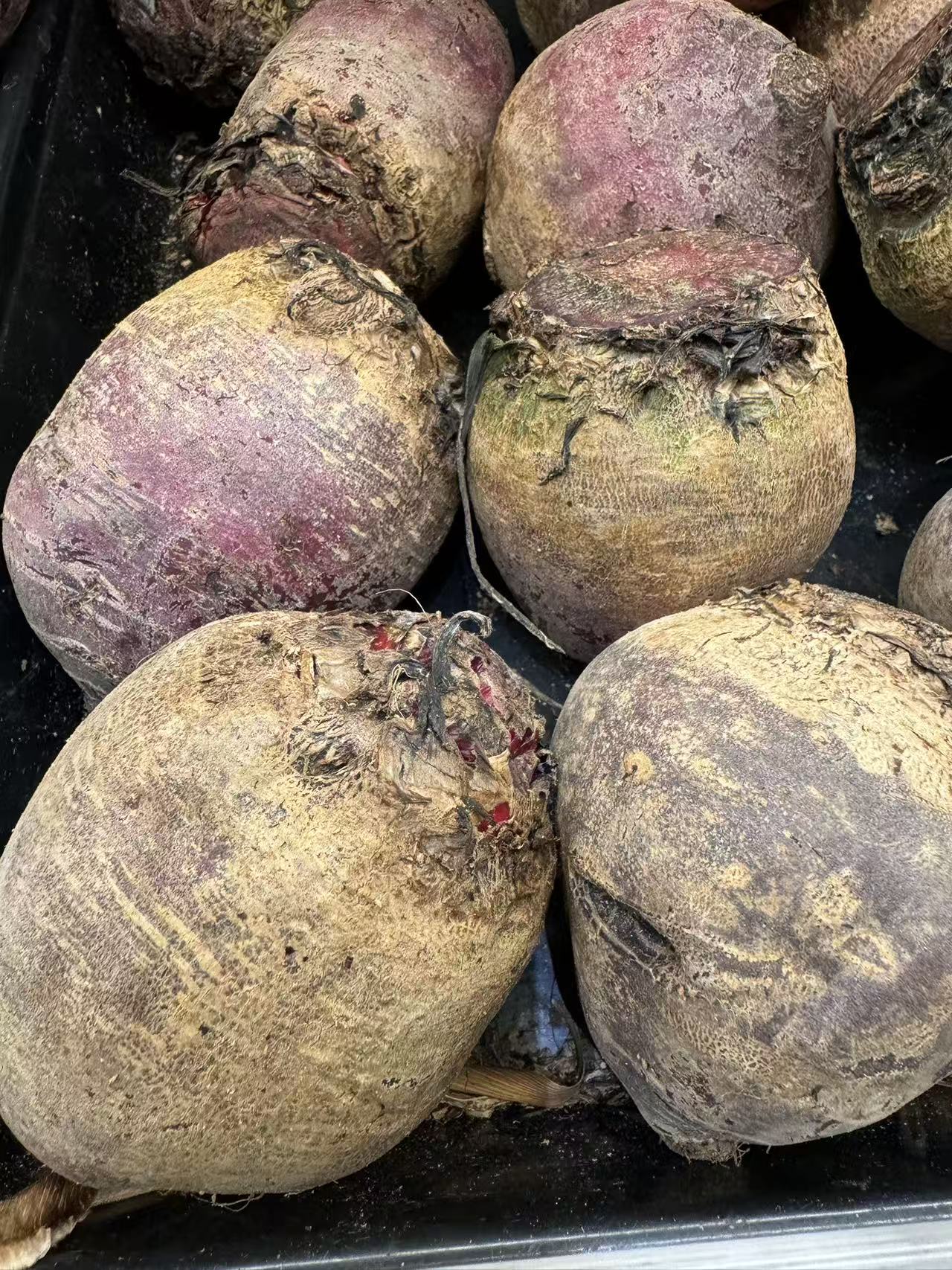
Beets are rich in nitrates, which the body converts into nitric oxide. Nitric oxide helps relax and widen blood vessels, making it easier for blood to flow. You can find beet powder on the market, but cooking with whole beets gives you fiber and a wider range of nutrients.

Try beets simmered into tofu soup for a warming, colorful bowl, or shredded and stir-fried with chicken breast for a balanced meal. Beet dumplings and beet noodle dishes are also popular ways to enjoy this root vegetable.
Celery: more than a crunchy snack
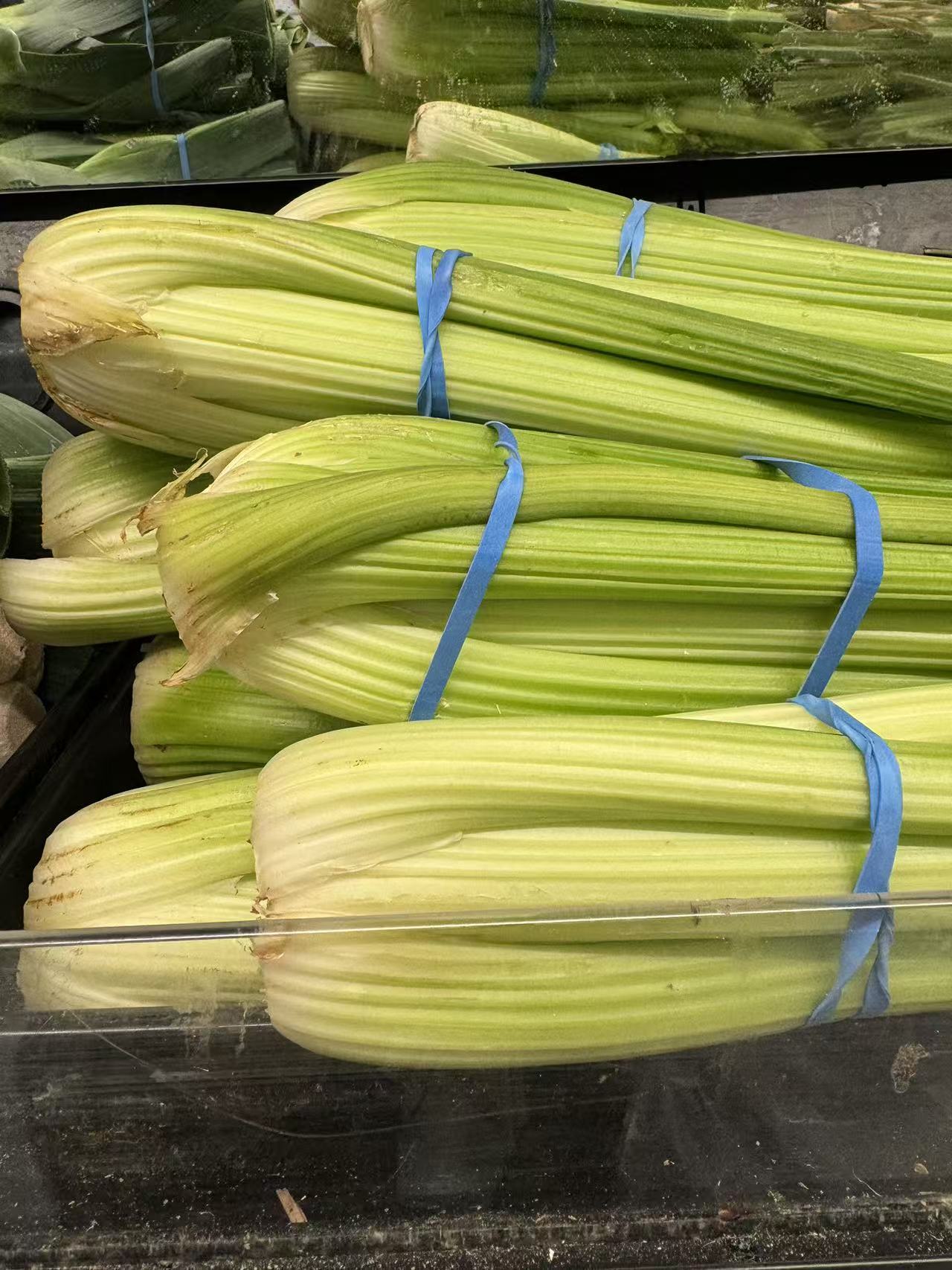
Celery contains apigenin, a natural flavonoid that helps relax vascular smooth muscle and promote vasodilation. The result is smoother blood flow and potentially lower blood pressure. Both American celery and Chinese celery are good choices.
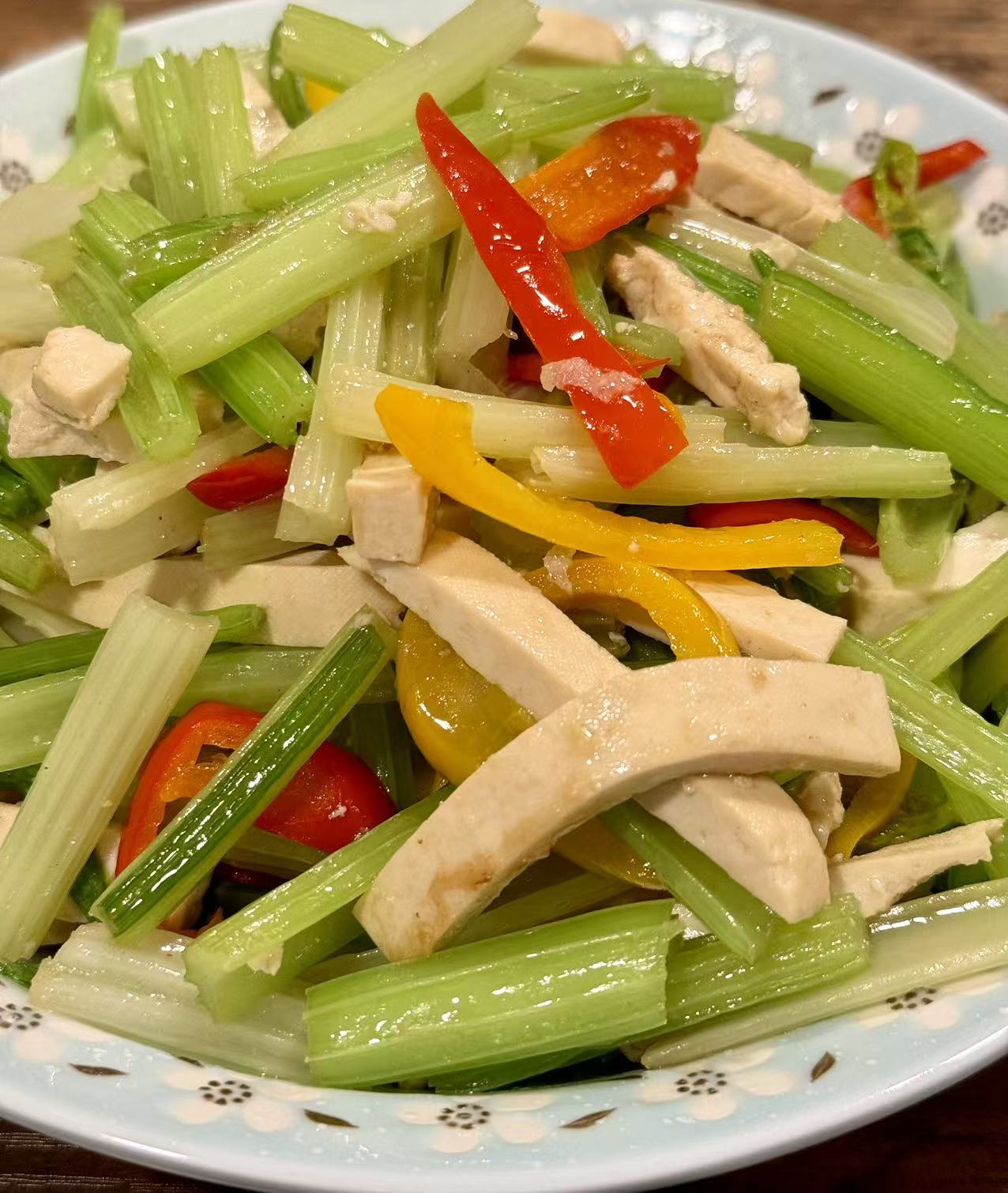
Beyond apigenin, celery provides potassium, which can counteract the blood-pressure-raising effects of sodium, and phthalides, which may help reduce vascular tone. A simple stir-fry of celery with dried tofu, or celery with lily bulbs, is light, flavorful, and heart-friendly.
Arugula and chard: leafy greens to rotate in
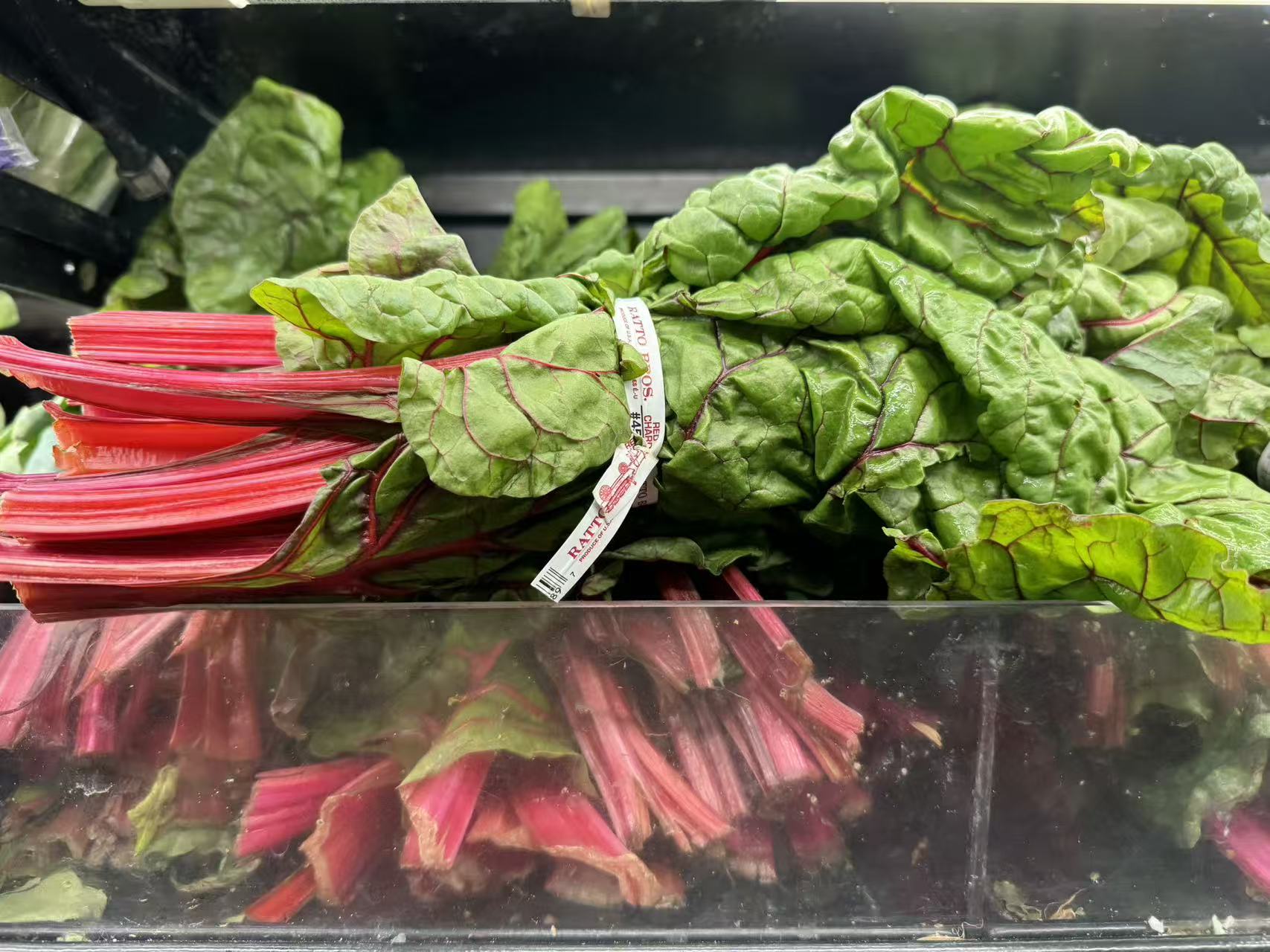
Arugula and chard offer similar vascular-supporting nutrients and are easy to add to salads, soups, or quick stir-fries. Chard, especially, is tender when briefly cooked and pairs well with garlic and olive oil.
A realistic approach
- Include beets, celery, or arugula several times per week
- Reduce processed and high-sodium foods
- Stay active and manage stress
- Do not discontinue medications without consulting your doctor
These vegetables are not miracle cures, but as part of a consistent, balanced diet, they can be valuable allies in maintaining healthy blood pressure.