 ShangMeals
Chinese cuisine is often associated with meat-heavy stir-fries, but its plant-based traditions are just as rich. Buddhist vegetarian cooking, home-style tofu dishes, and grain-based meals have been part of Chinese food culture for centuries.
Today, many people are looking for ways to eat more plants without giving up flavor. The good news is that Chinese cooking offers endless options built around mushrooms, tofu, legumes, grains, and seasonal vegetables.
Build a meal around vegetables and mushrooms
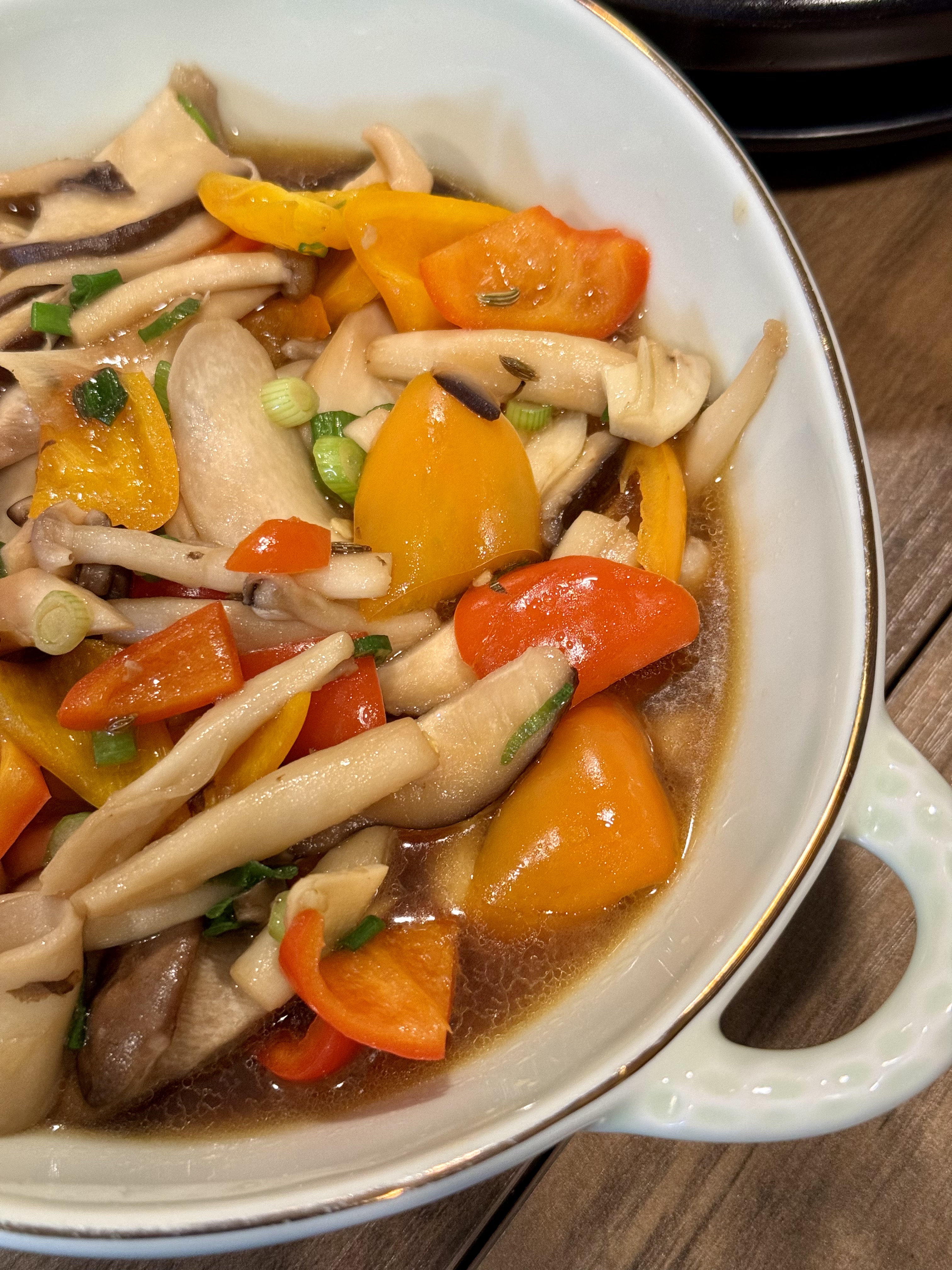
Mushrooms are one of the secrets of satisfying plant-based Chinese food. They provide umami, texture, and a meaty bite. A simple stir-fry of bell peppers with mixed mushrooms, seasoned with garlic and soy sauce, can stand on its own as a main dish.
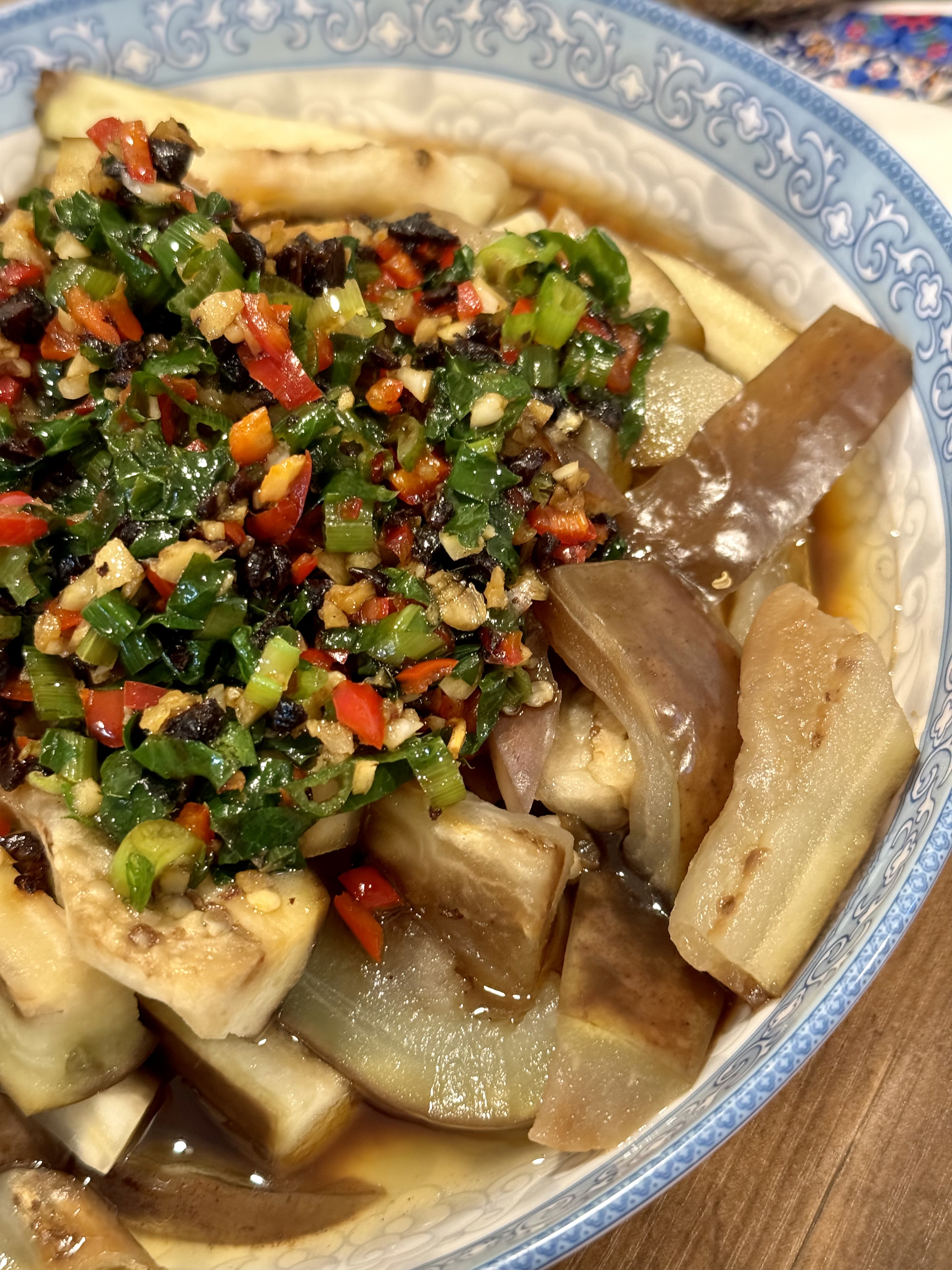
Eggplant is another plant-based star. When braised with garlic, ginger, and fermented black beans, it becomes silky, savory, and deeply satisfying over rice.
Add whole grains and gentle soups
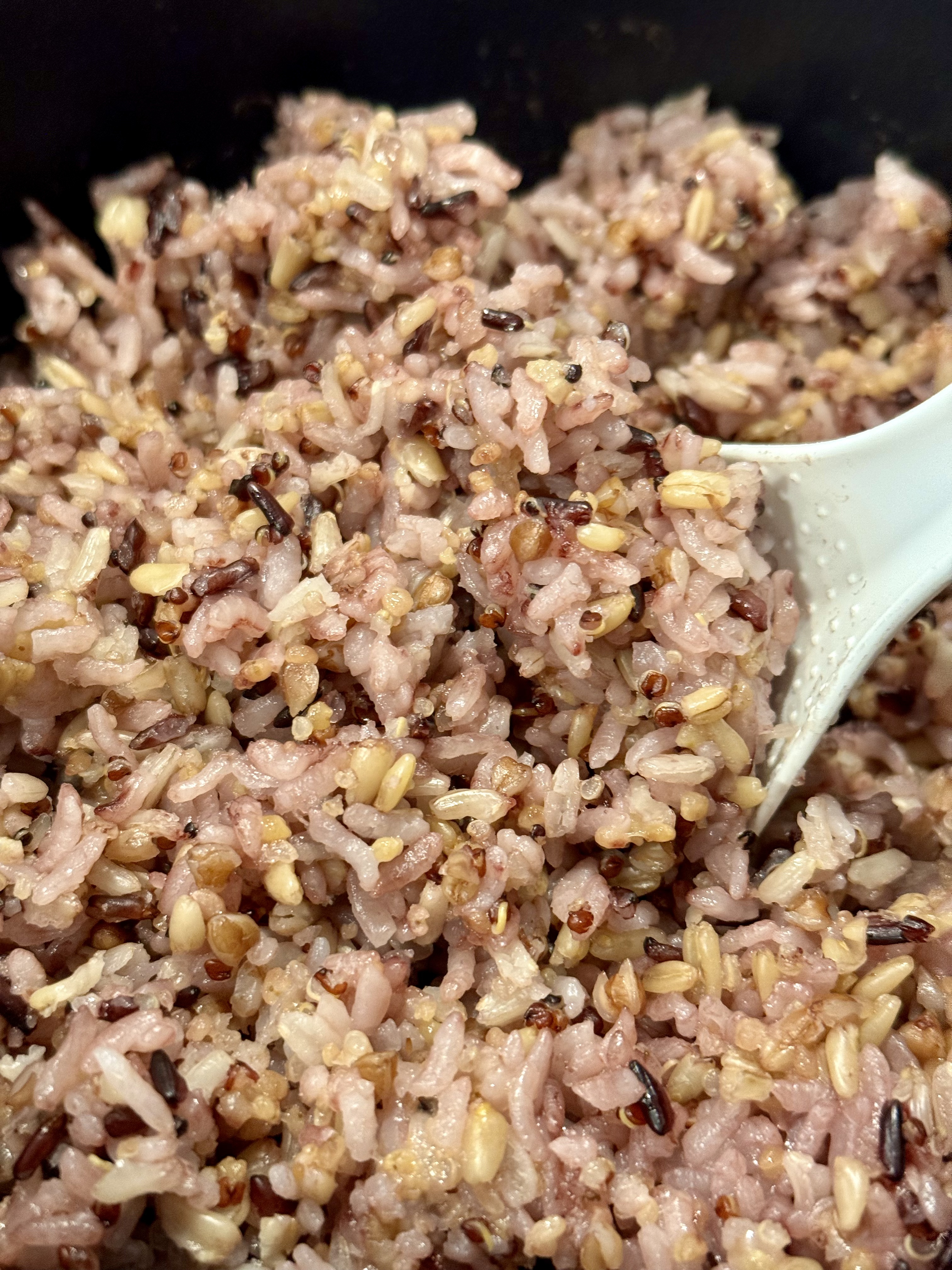
Mixed grain rice adds fiber and a nutty flavor that plain white rice lacks. Combining brown rice, millet, red beans, and Job's tears creates a nourishing base that pairs well with vegetable dishes.
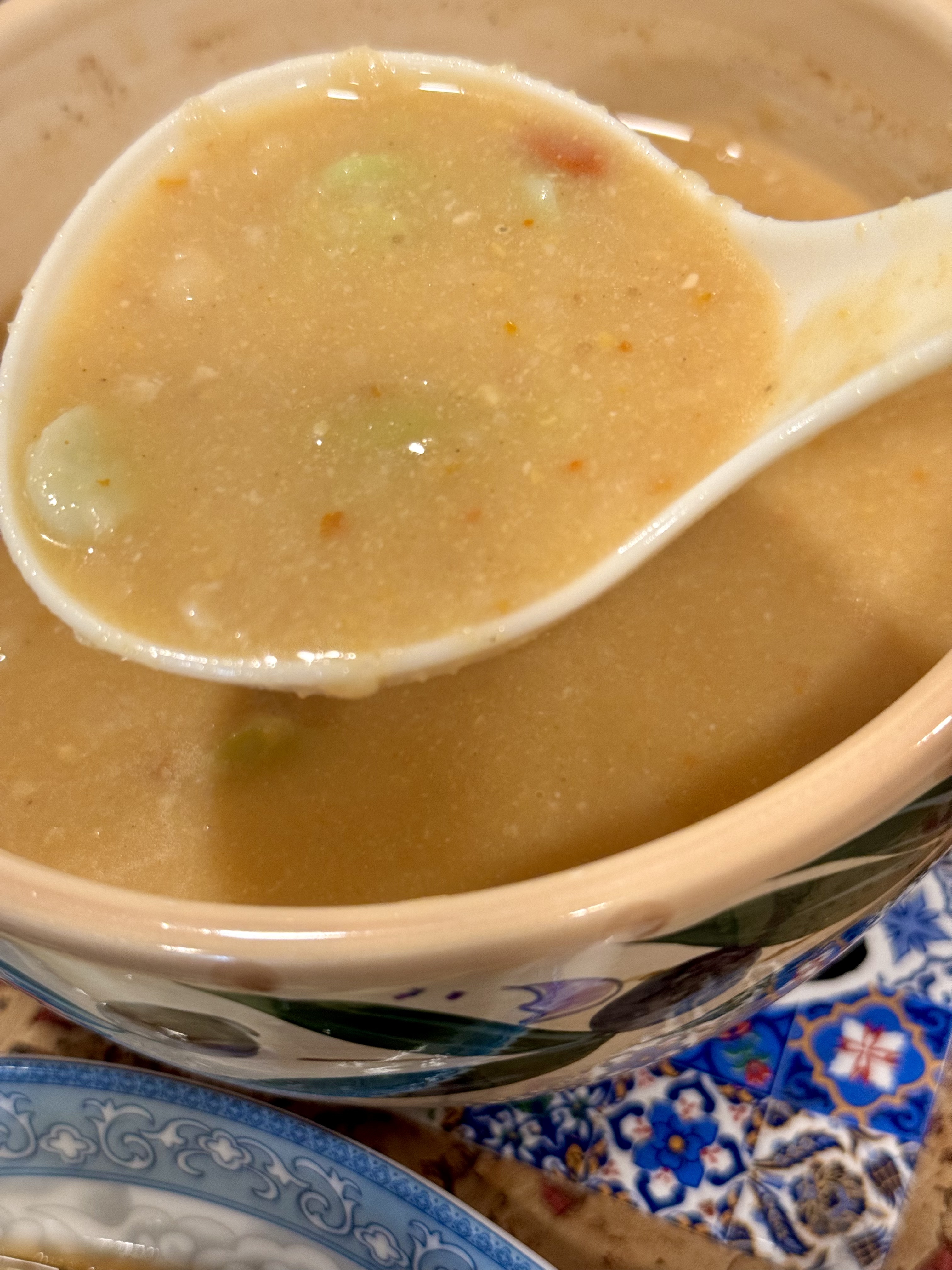
A bowl of goji and bean soup provides protein, warmth, and a touch of natural sweetness. It is the kind of simple, restorative food that works for lunch, dinner, or even a light breakfast.
Quick and colorful sides
- Garlic amaranth: tender greens with a garlicky finish
- Celery with lily bulbs: crisp, light, and naturally sweet
- Fried tofu pot: silky tofu in a rich savory broth
- Purple lettuce stir-fry: mild, crunchy, and beautiful on the plate
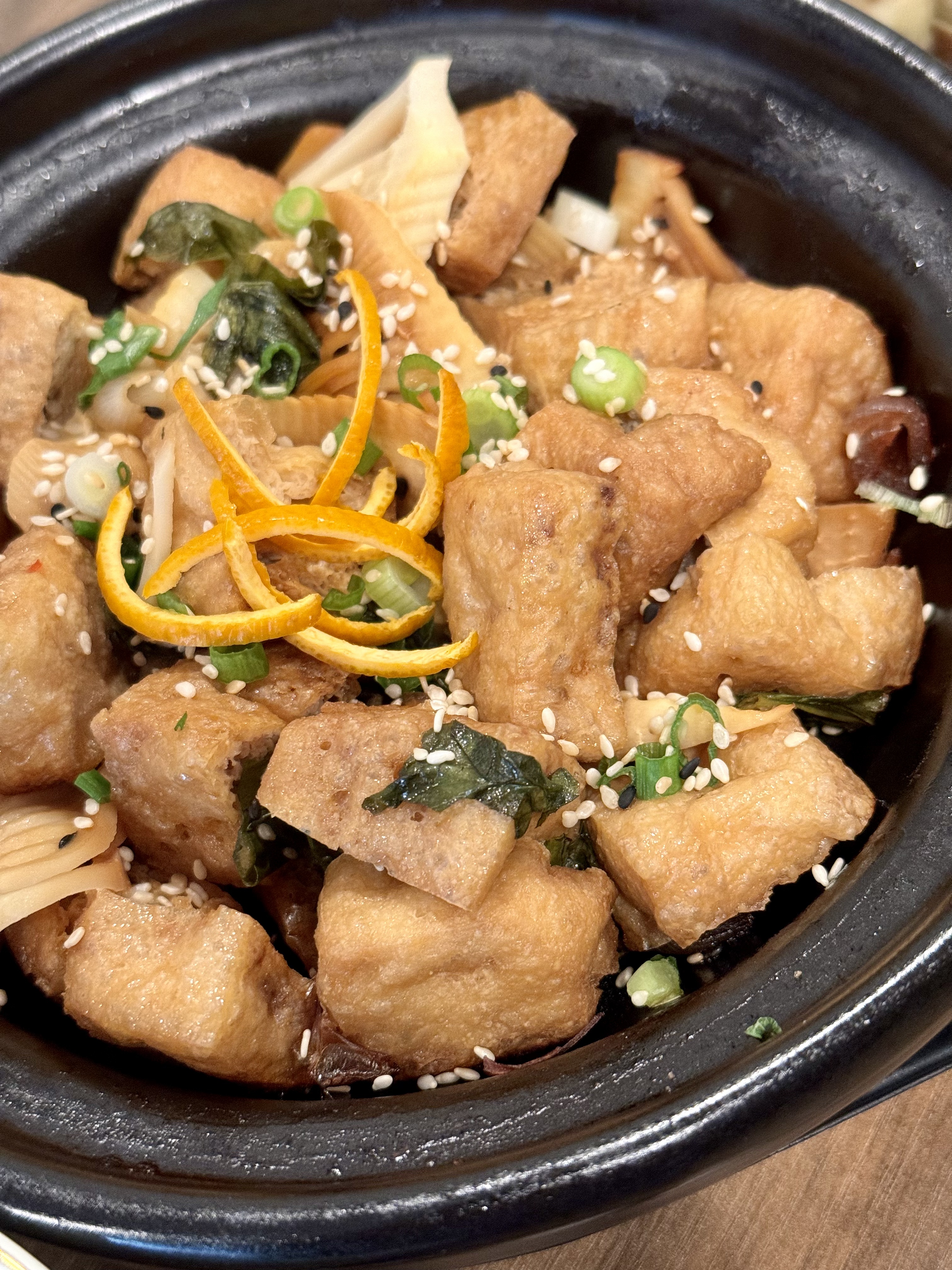
Eating plant-based Chinese food does not mean giving up satisfaction. With the right ingredients and simple techniques, every meal can be colorful, nourishing, and full of flavor.