 ShangMeals
In Traditional Chinese Medicine (TCM), winter belongs to the Water element and governs the Kidneys and Bladder. As the days grow short and cold, the body's vital energy retreats inward, making winter the ideal season to conserve essence, strengthen bones, and build reserves for the year ahead.
The principle of "Correspondence between Heaven and Man" teaches us that the climate, our metabolism, and internal organ functions shift with the seasons. By choosing foods whose colors align with winter, we can support the kidneys, ward off cold, and delay the onset of fatigue.
Why black foods in winter?
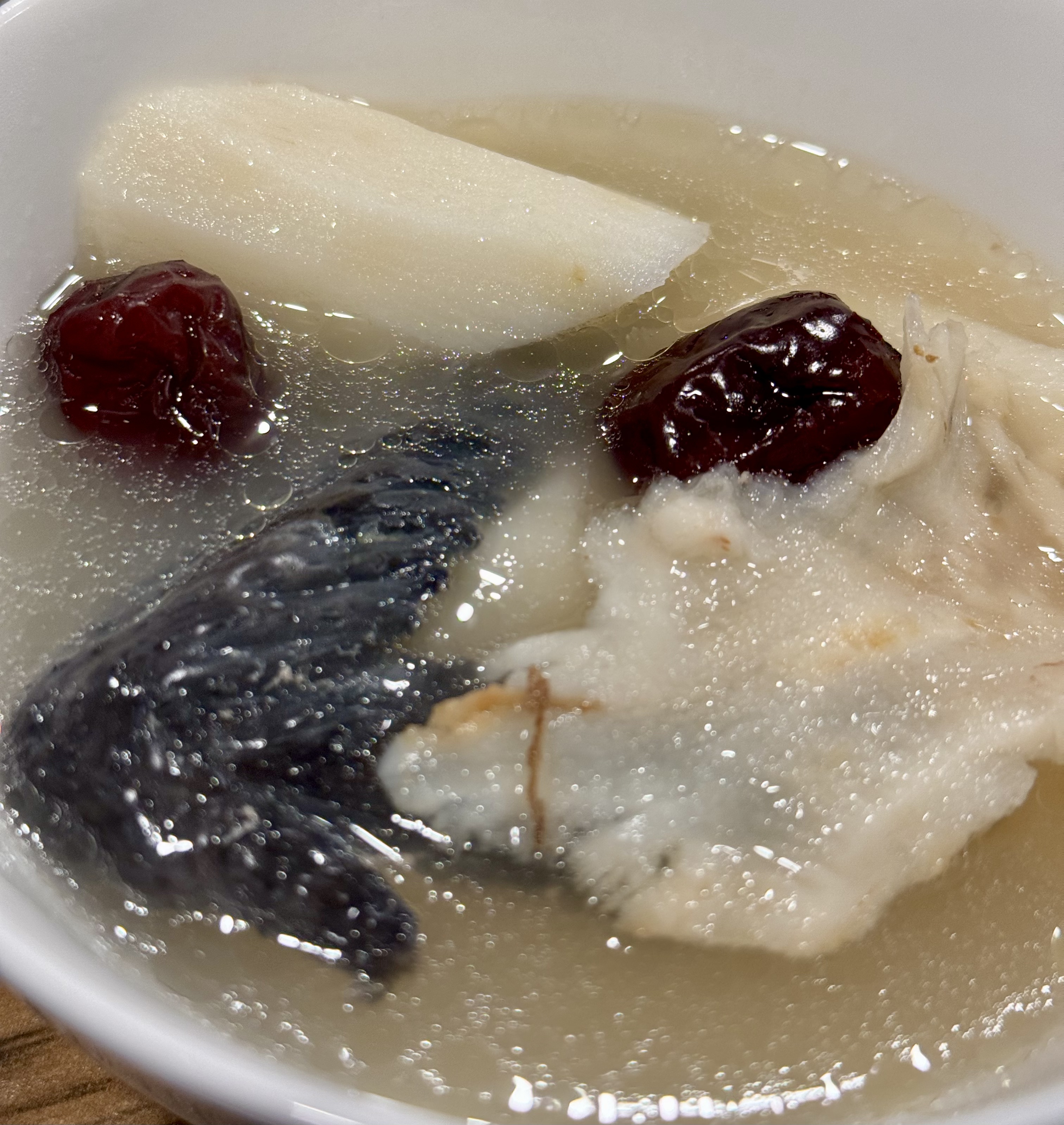
Black is the color of winter. It corresponds to the Kidneys, the organs that store our vital essence (Jing), govern growth and reproduction, and provide the foundational warmth that supports every other organ. When winter cold depletes kidney Yang, black foods help restore deep reserves and maintain core warmth.
Key benefits
- Warms and nourishes the body without causing dryness
- Supports kidney essence and bone health
- Helps the body conserve energy and resist cold
- Promotes restful sleep and steady vitality
Recommended black foods
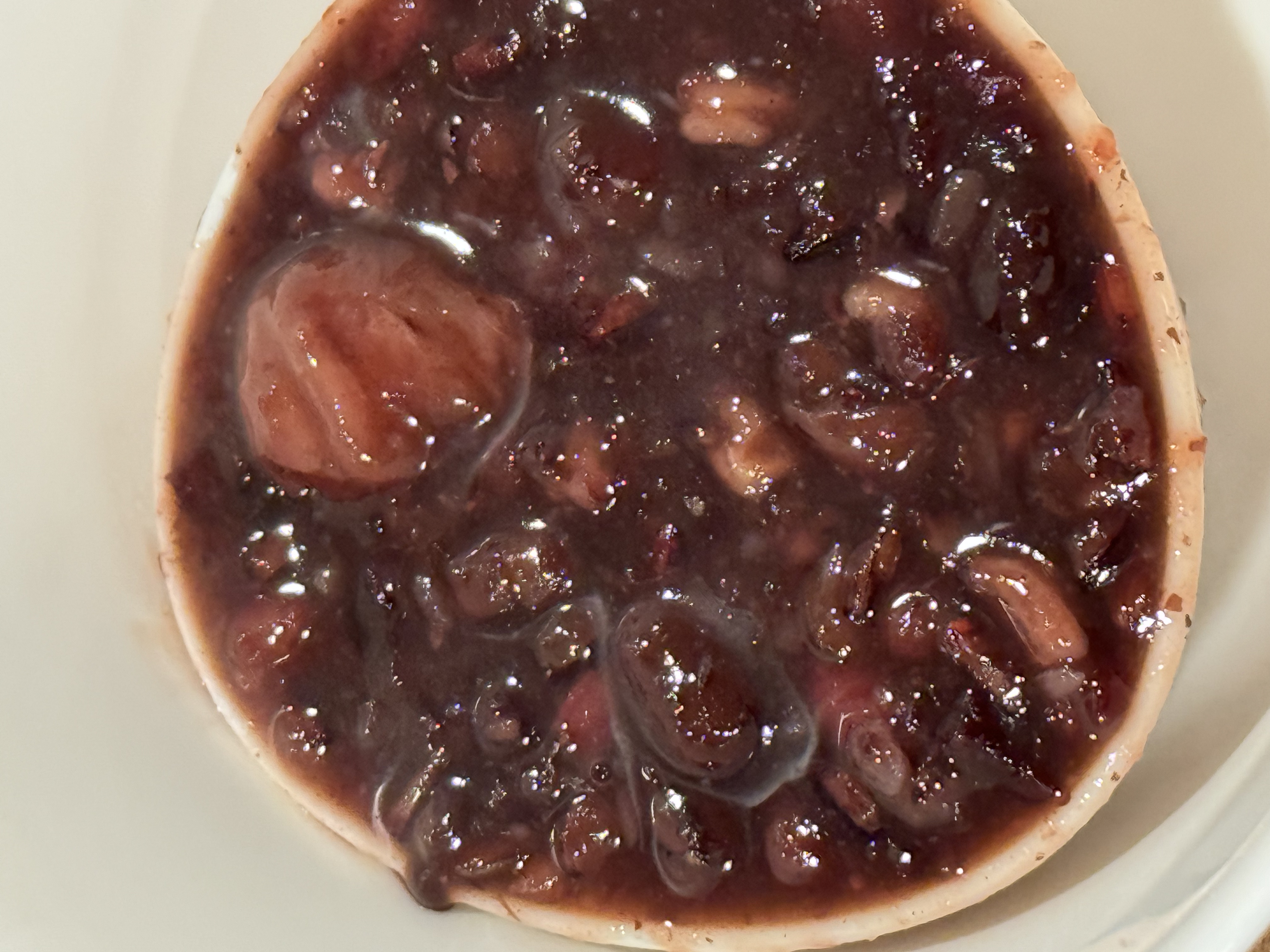
Winter black foods are not limited to one ingredient. Black beans, black sesame, black rice, wood ear mushrooms, seaweed, black mushrooms, black silkie chicken, mulberries, and longan all carry the deep, consolidating energy associated with the Water element. These foods are rich in minerals, antioxidants, and warming properties that help the body adapt to cold weather.
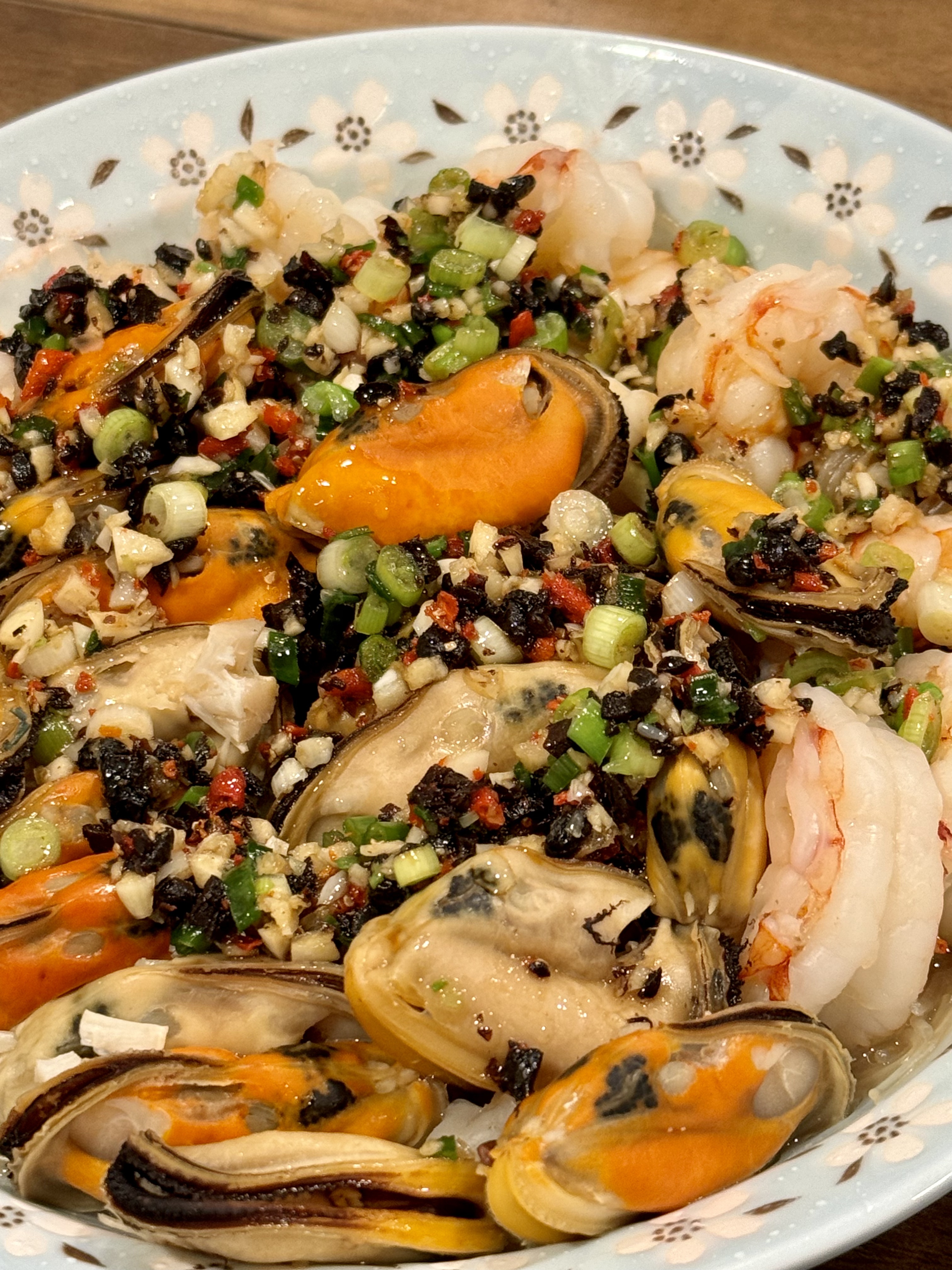
Black beans are particularly valued for their kidney-tonifying effect. Black sesame supports the liver and kidneys while nourishing the blood. Black rice, sometimes called "forbidden rice," offers a gentle, warming carbohydrate base for winter meals.
Warming soups and beverages
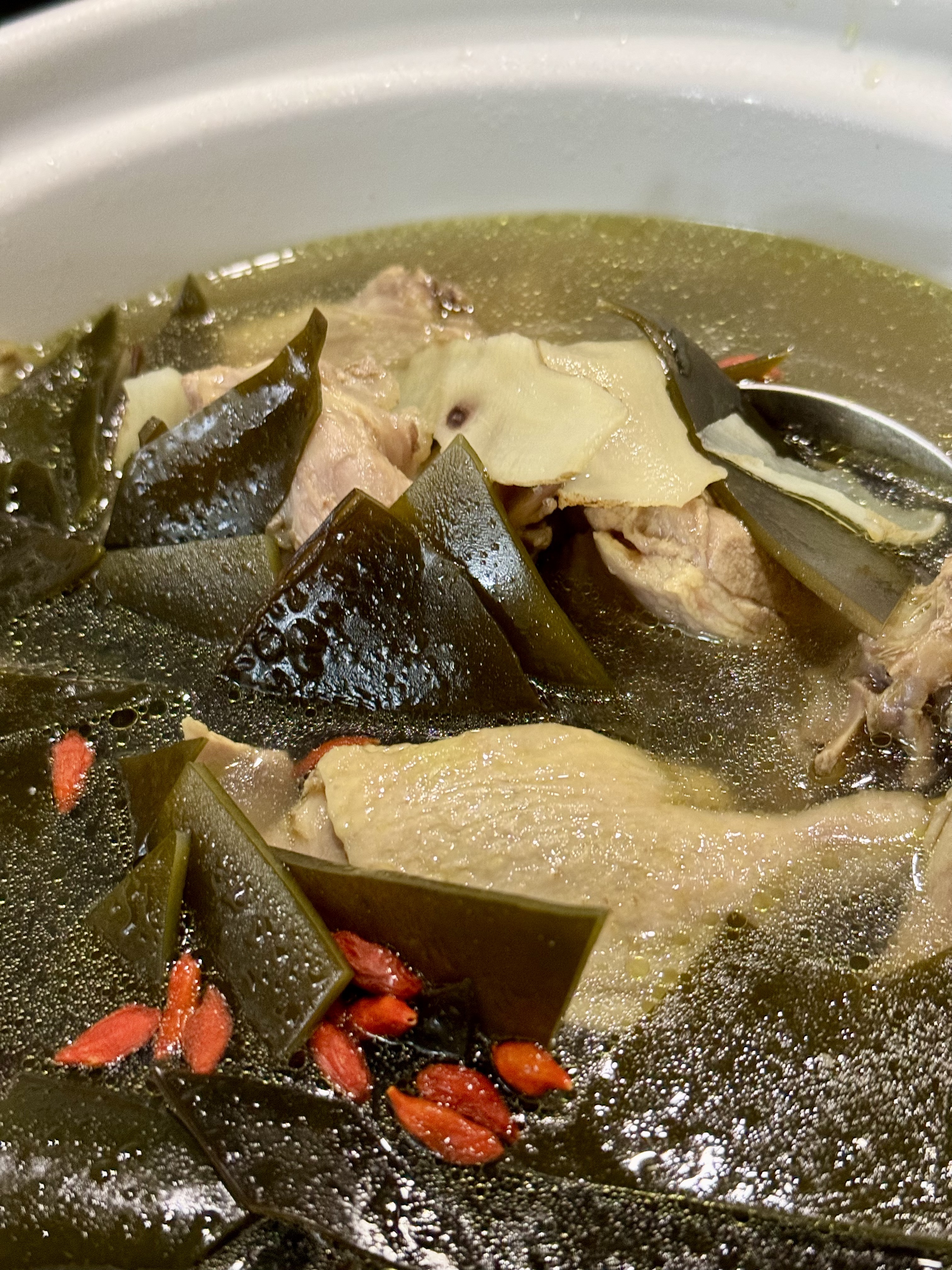
Winter is soup season. Classic warming recipes include angelica black chicken soup, black bean and red date soup, and longan goji berry tea. These combinations nourish blood, support kidney Yang, and help the body maintain internal warmth without overheating.
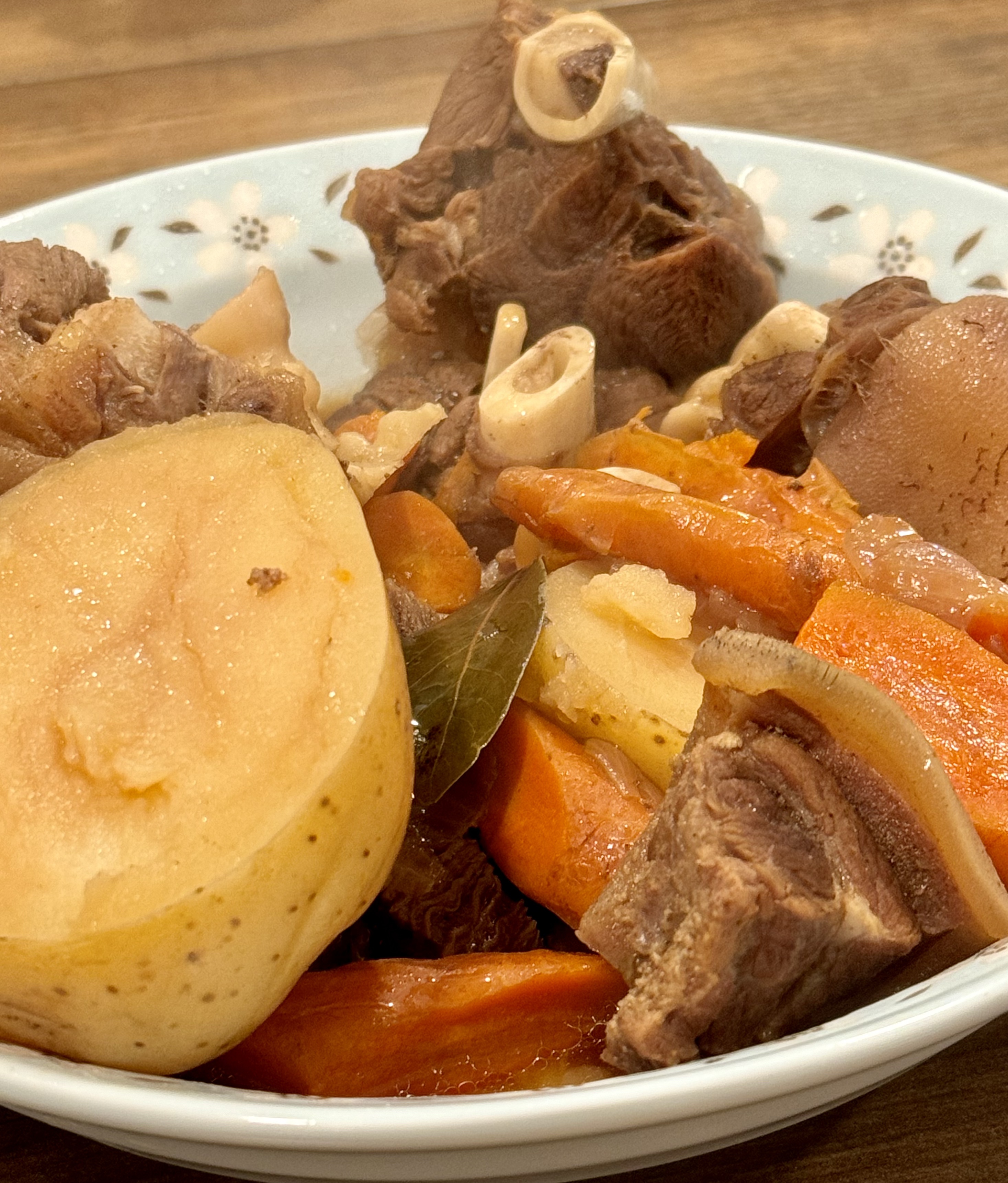
For those who feel cold easily, small amounts of lamb, duck, or mussels prepared with black beans or warming spices can provide additional Yang support. The key is moderation—winter nourishment should warm without drying.
Winter lifestyle tips
- Avoid cold and raw foods, especially in the evening
- Eat regular, warm meals and avoid overeating
- Go to bed early and rise late to conserve energy
- Keep the waist, lower back, and feet warm
- Choose gentle movement like walking, stretching, or tai chi
By aligning your plate with the deep, still energy of winter, you give your body the support it needs to rest, restore, and emerge strong when spring returns.