 ShangMeals
Walk into any Chinese kitchen and you will likely find a small bowl of garlic cloves near the cutting board. Garlic is not just a seasoning in Chinese cooking—it is a foundational flavor, a home remedy, and a symbol of warmth.
From the pungent raw bulb to tender garlic sprouts and curly garlic scapes, every stage of the garlic plant has its own culinary role. Better still, Traditional Chinese Medicine has long valued garlic for its ability to warm the body, support digestion, and strengthen the immune system.
Forms of garlic in Chinese cooking
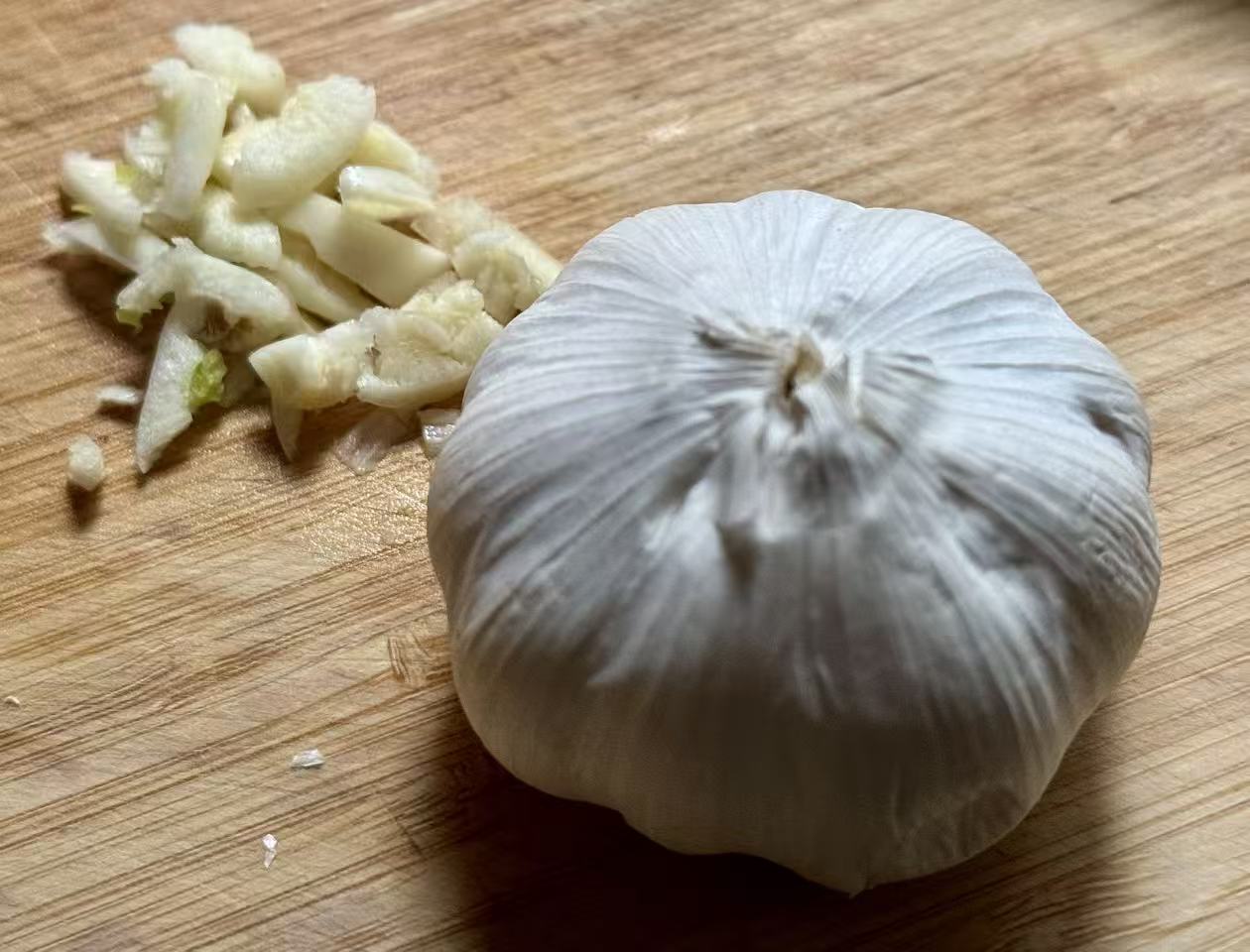
The mature garlic bulb is the most familiar form. It is minced, sliced, or smashed and added at the beginning of a stir-fry to build aroma, or used raw in sauces and marinades. A little garlic goes a long way in transforming oil into flavor.
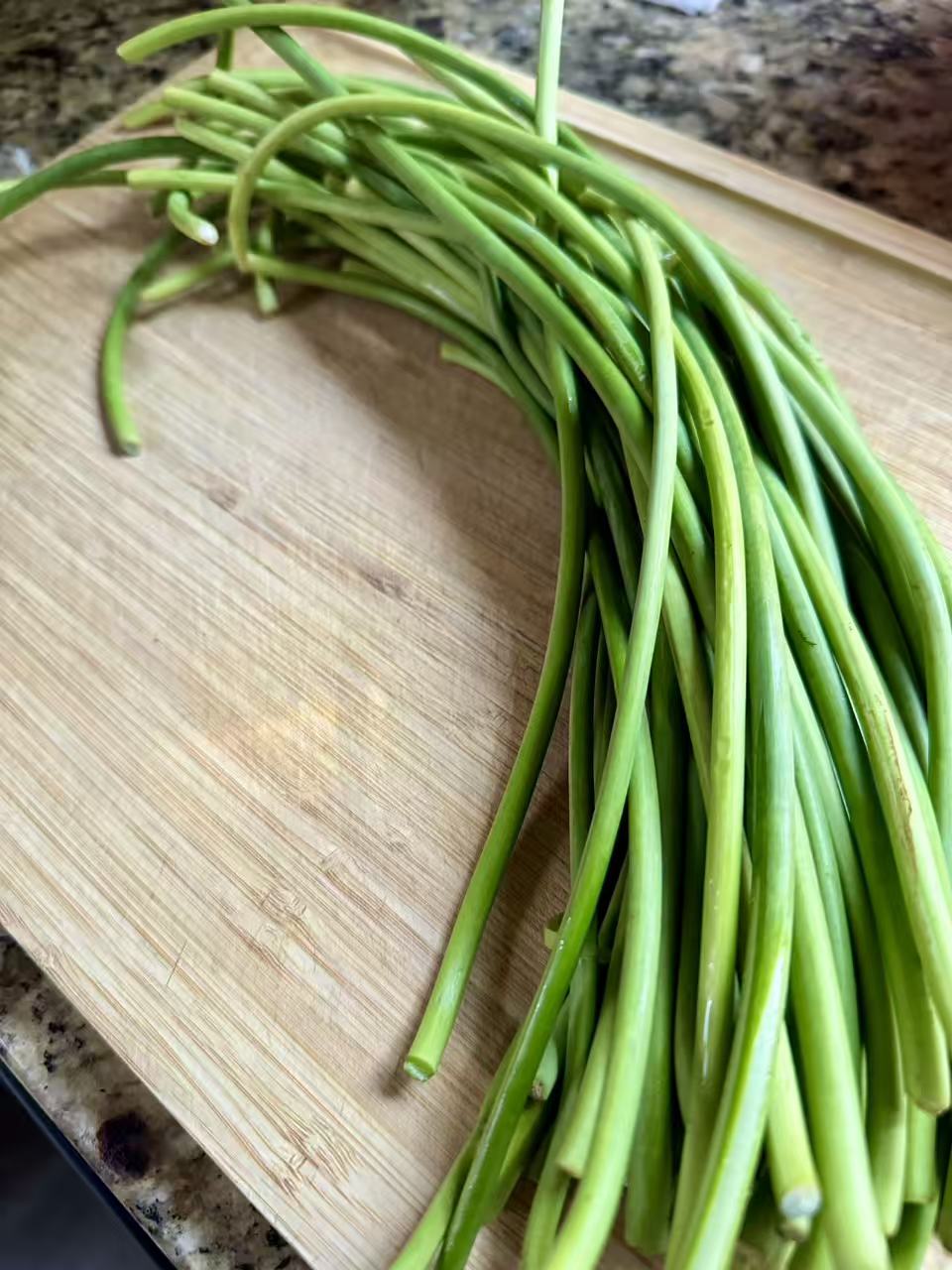
Garlic scapes are the curling flower stalks of the garlic plant. They are milder than the cloves and have a pleasant crunch. In China, they appear in spring markets and are quickly stir-fried with pork or simply seasoned with soy sauce.
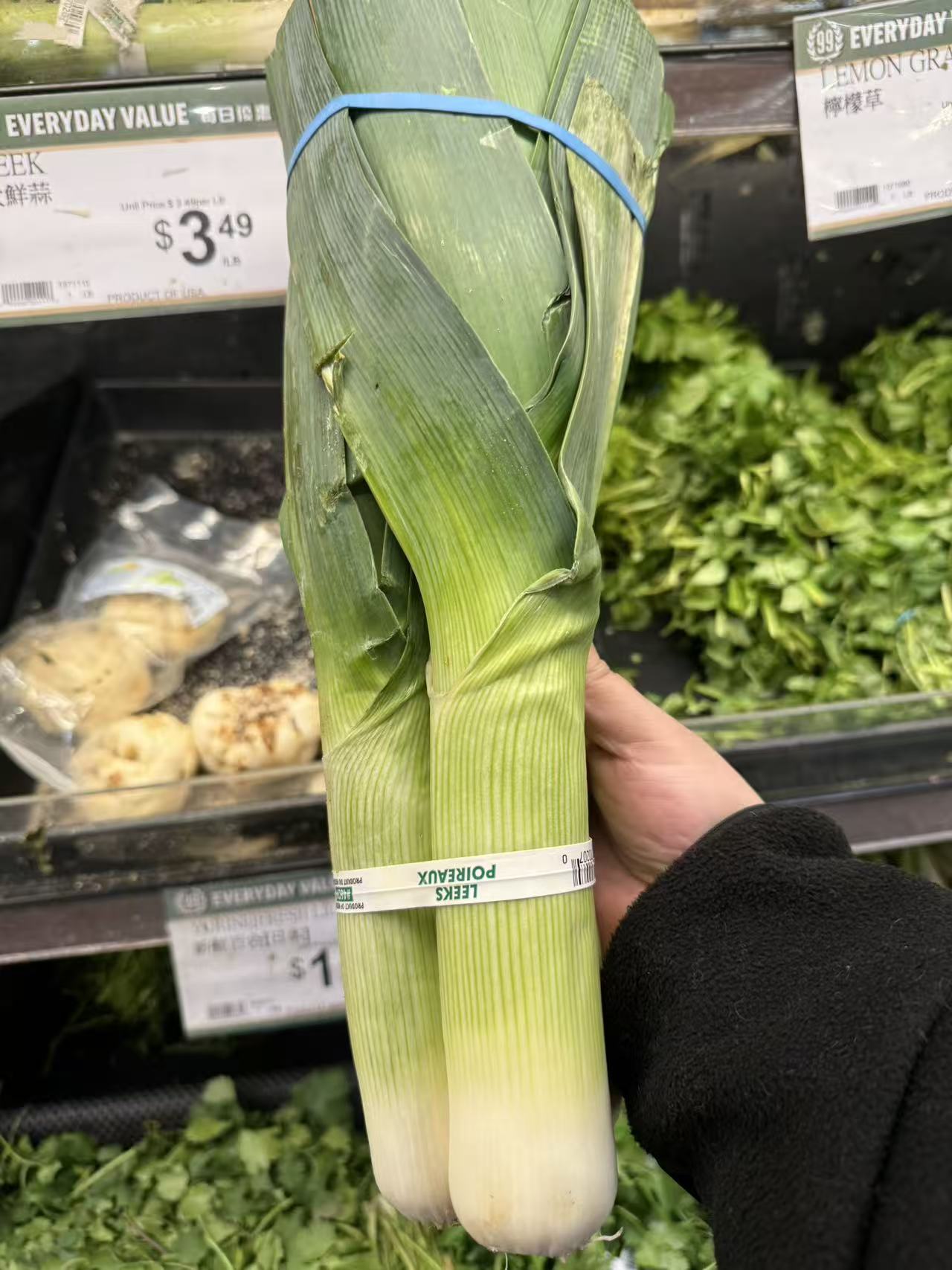
Garlic sprouts, or young garlic greens, offer a fresher, grassier garlic flavor. They pair beautifully with eggs, tofu, and thinly sliced meat, and they cook in seconds over high heat.
Health benefits in traditional use
- Warms the digestive system and supports appetite
- Helps the body resist colds and seasonal illness
- Supports circulation and helps clear dampness
- Contains sulfur compounds and antioxidants studied for immune support
Simple ways to cook with garlic
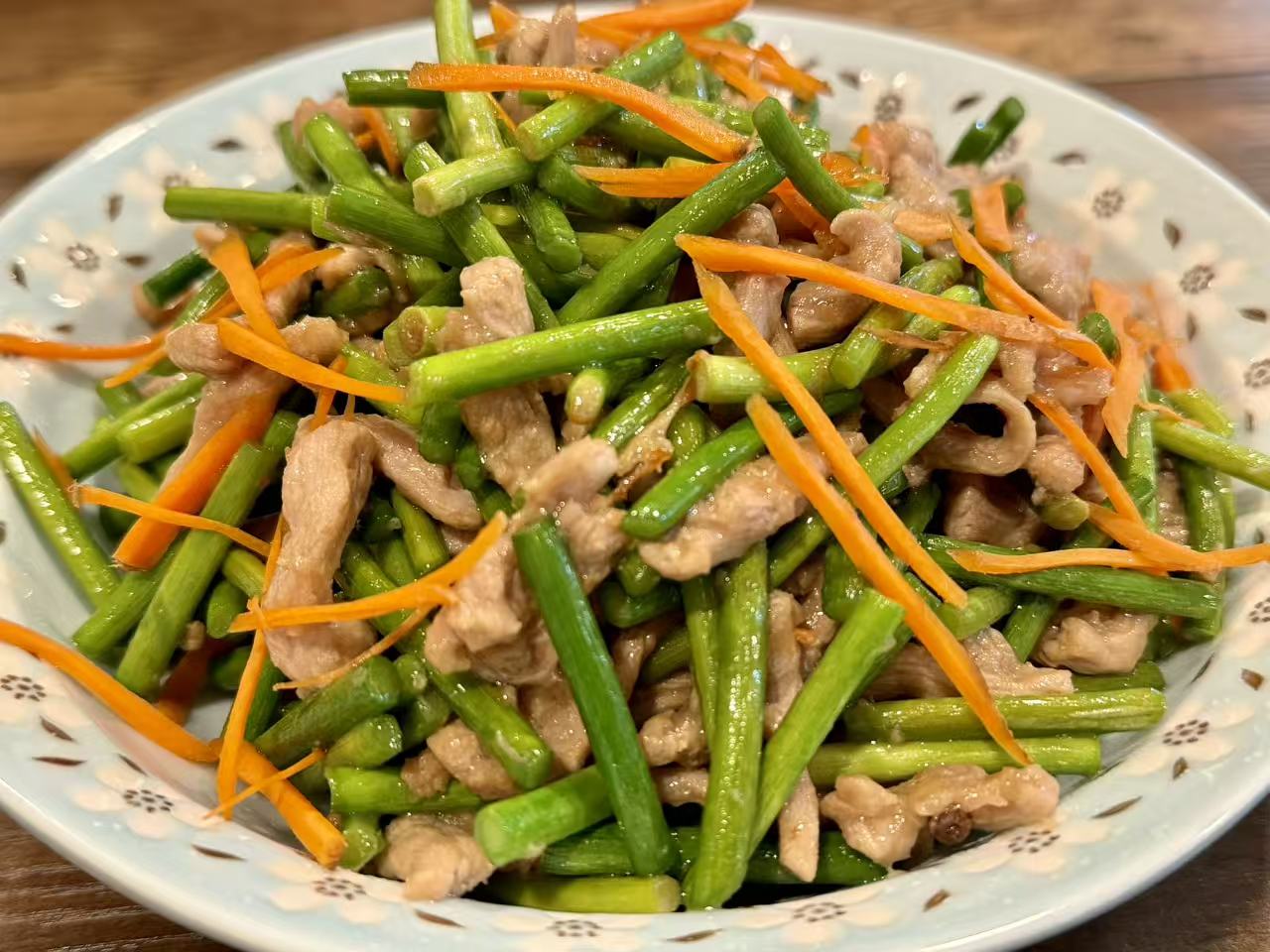
For a quick weeknight dish, stir-fry garlic scapes with thinly sliced pork and a splash of soy sauce. The scapes keep their crunch while absorbing the savory meat juices.
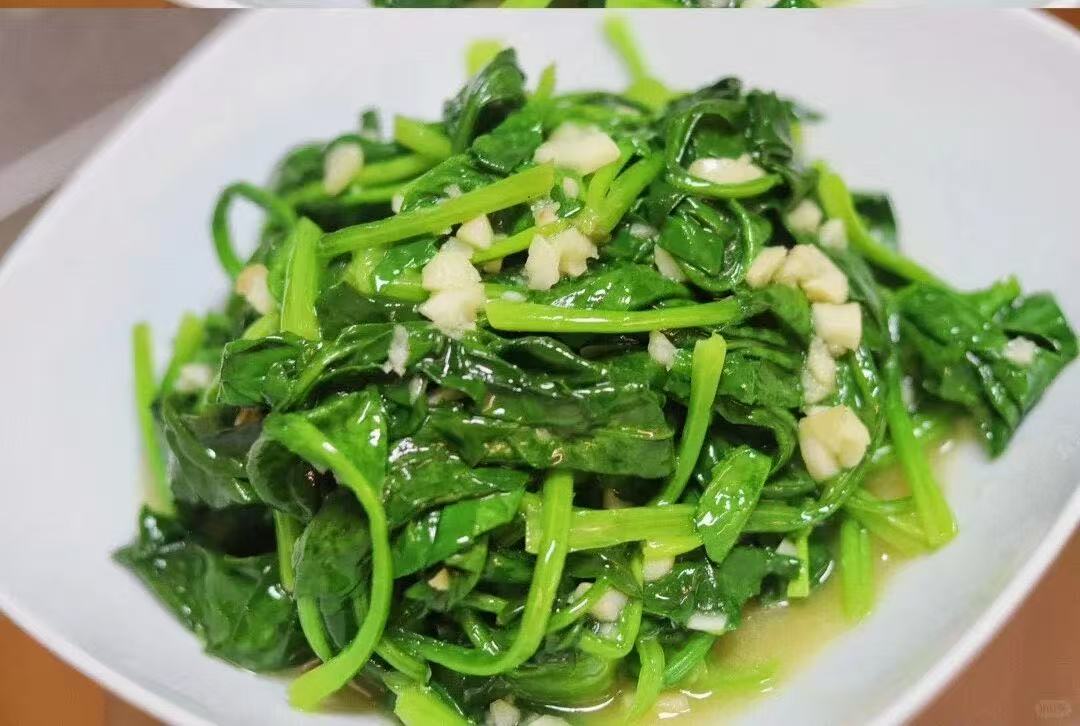
Garlic spinach is one of the simplest and most popular Chinese side dishes. A few cloves of smashed garlic sizzled in oil, then tossed with fresh spinach until just wilted, makes a perfect companion to rice and protein.
Whether you are working with cloves, scapes, or sprouts, garlic brings depth, warmth, and a touch of tradition to everyday Chinese cooking.